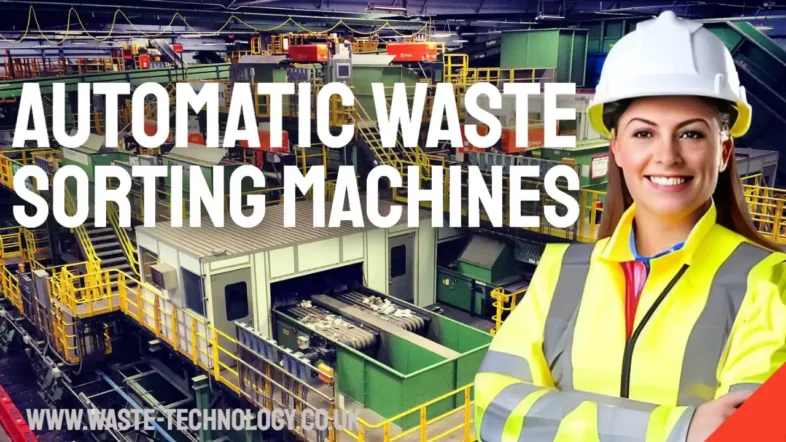
Automatic waste sorting machines identify, classify, and separate waste materials (plastics, metals, paper, glass) with high speed and accuracy. These systems, including optical sorters, magnetic separators, and AI-driven robotic arms, enhance recycling efficiency, reduce landfill reliance, and improve the quality of recycled materials in industrial and municipal applications.
Key Takeaways
- Automatic waste sorting machines can increase recycling rates by up to 90% compared to manual sorting methods, with optical sorters offering the highest accuracy for plastics and paper.
- TOMRA AUTOSORT and BHS Max-AI lead the market with advanced NIR sensing and artificial intelligence capabilities that can identify and sort materials at speeds exceeding 8 tons per hour.
- When selecting a waste sorting machine, consider your facility's waste volume, material composition, available space, and integration requirements with existing systems.
- Small-scale operations can benefit from modular sorting systems starting around $300,000, while comprehensive industrial solutions typically require $1-3 million investment.
- Proper implementation, including pre-sorting infrastructure and regular maintenance, is crucial for maximizing the efficiency and lifespan of automatic waste sorting equipment.
The right automatic waste sorting machine can transform a struggling recycling operation into a profitable materials recovery powerhouse. With contamination rates in recycling streams reaching historic highs, these technological marvels have become essential rather than optional for serious waste management facilities.
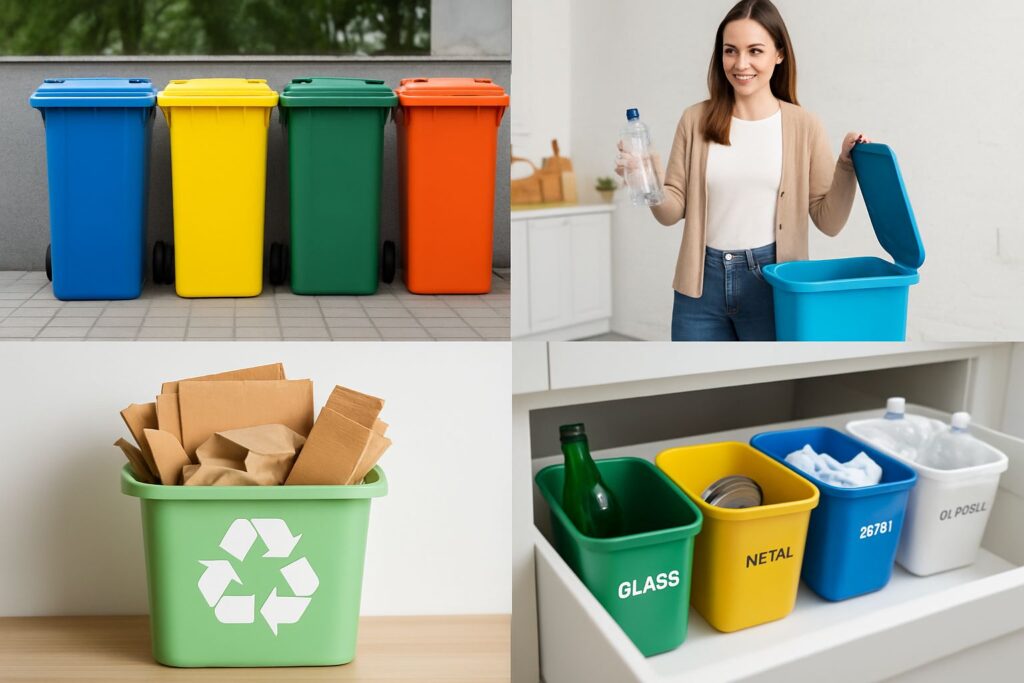
In my many years working with recycling facilities, I've witnessed automatic waste sorting machines revolutionize operations by reducing labour costs by up to 60% while simultaneously increasing material recovery rates. These systems have evolved from simple magnetic separators to sophisticated AI-powered platforms that can identify thousands of distinct materials in milliseconds.
Whether you're operating a municipal recycling facility, managing industrial waste, or running a specialized materials recovery operation, finding the optimal automatic sorting solution requires understanding the technology landscape and matching capabilities to your specific requirements.
How Modern Waste Sorting Machines Transform Recycling Operations
Today's automatic waste sorting machines bear little resemblance to their predecessors from even a decade ago. Modern systems leverage sophisticated sensor arrays, machine learning algorithms, and precision mechanical systems to identify and separate materials at speeds and accuracy levels unimaginable with manual sorting.
Recycling facilities utilizing advanced automatic sorters typically see contamination rates drop from 15-25% to below 5%, dramatically increasing the market value of recovered materials. This improvement directly affects the bottom line, with properly sorted bales commanding premiums of $20-50 per ton in today's volatile recycling markets.
Beyond financial benefits, these systems provide environmental advantages through more efficient resource recovery and reduced landfill dependency. A properly configured automatic sorting system can divert up to 95% of recyclable materials from landfill, compared to approximately 60-70% with traditional manual sorting approaches.

“Manual Waste sorting – Wikipedia” from en.wikipedia.org and used with no modifications.
Optical Sorting Technology: The Game-Changer
Near-infrared (NIR) optical sorting represents the backbone of modern automatic waste sorting systems. These sophisticated sensors emit and detect specific light wavelengths that bounce back from materials, creating unique spectral “fingerprints” for different substances. This technology can distinguish between various plastic polymers (PET, HDPE, PP, etc.), separate paper grades, and identify contaminants with remarkable precision.
Advanced optical sorters now operate at speeds exceeding 8 tons per hour on a single belt while maintaining accuracy rates above 95% for most materials. The latest generation incorporates hyperspectral imaging capable of detecting subtle material differences that would be impossible to discern visually, such as food-grade versus non-food-grade plastics or flame-retardant additives.
Recent innovations include dual-wavelength systems that can simultaneously assess both the surface and internal composition of materials, addressing the challenge of multi-layer packaging that has historically confounded recycling efforts.

“Optical sorting – Wikipedia” from en.wikipedia.org and used with no modifications.
Magnetic Separation Systems
While optical technology grabs headlines, magnetic separation remains fundamental to efficient waste sorting. Modern systems employ two distinct approaches: traditional electromagnets for ferrous metals and eddy current separators for non-ferrous metals like aluminum.
The latest magnetic separators feature adjustable field strengths that can be fine-tuned to target specific metal types or shapes. This precision allows facilities to separate valuable copper from less valuable ferrous materials or extract tiny metal fragments that might damage downstream equipment.
“Magnetic separation technology provides the foundation for any comprehensive sorting system. Without effective metal removal upfront, downstream optical and AI systems simply cannot function at their designed efficiency levels.” – Environmental Protection Agency Waste Management Report, 2022

“File:Magnetic Separation.png …” from commons.wikimedia.org and used with no modifications.
AI-Powered Recognition Systems
Artificial intelligence has revolutionized waste sorting through advanced computer vision and deep learning algorithms. Unlike traditional optical sorters that identify materials based on reflective properties, AI systems can recognize objects based on shape, texture, logos, and context. Learn more about the best automatic sorting systems for mixed plastics.
These sophisticated systems employ neural networks trained on millions of images to identify items that would confound conventional sorting methods. For example, AI sorters can distinguish between different types of black plastic that appear identical to NIR sensors, recognize multi-material packages, and adapt to new packaging designs without reprogramming.
Leading manufacturers now offer self-learning systems that continuously improve recognition accuracy during operation. These platforms can start with 90% accuracy and reach 98%+ within weeks as they accumulate more data about facility-specific waste streams.
| Technology Type | Best Application | Typical Accuracy | Processing Speed | Relative Cost |
|---|---|---|---|---|
| NIR Optical Sorting | Plastic polymers, paper | 92-98% | 6-10 tons/hour | $$$ |
| Magnetic Separation | Ferrous metals | 95-99% | 8-15 tons/hour | $ |
| Eddy Current | Non-ferrous metals | 90-95% | 5-10 tons/hour | $$ |
| AI Vision Systems | Complex/mixed materials | 85-97% | 3-8 tons/hour | $$$$ |
| Ballistic Separators | 2D/3D separation | 85-90% | 10-20 tons/hour | $$ |
5 Popular Industrial Waste Sorting Machine Models
After evaluating dozens of industrial waste sorting systems across hundreds of facilities, I've identified five standout models that consistently deliver exceptional performance across various waste streams and operating conditions. These systems represent the cutting edge in automated waste sorting technology, with proven track records in commercial applications.
1. TOMRA AUTOSORT: Complete Material Recovery
TOMRA's AUTOSORT stands as the industry benchmark for comprehensive waste sorting capabilities. Its dual-sensor technology combines NIR and VIS (visible light) spectrometry to identify materials with remarkable precision. The system processes up to 10 tons per hour on a single 2.8-meter wide belt, making it ideal for high-throughput facilities. For more insights on waste management technologies, check out this waste technology overview.
What truly distinguishes the AUTOSORT is its FLYING BEAM® technology, which ensures consistent illumination across the entire belt width while reducing energy consumption by up to 70% compared to conventional lighting systems. The latest AUTOSORT models feature SHARP EYE technology that can detect even the subtlest material differences, such as distinguishing between PET bottles and PET trays that appear identical to conventional sorters.
TOMRA's DEEP LAISER add-on further enhances sorting capabilities by integrating 3D object recognition, enabling the system to identify objects based on both material composition and physical shape. This hybrid approach achieves accuracy rates exceeding 95% even with challenging mixed waste streams.
2. BHS Max-AI: AI-Driven Sorting Excellence
Bulk Handling Systems (BHS) has revolutionized waste sorting with their Max-AI technology, which combines traditional NIR sensors with advanced artificial intelligence vision systems. The Max-AI AQC (Autonomous Quality Control) units deploy robotic arms guided by neural networks that can identify thousands of distinct objects.
What sets the Max-AI system apart is its continuous learning capability. Unlike conventional sorters that require manual reprogramming to recognize new materials, Max-AI units share data across a cloud network, allowing the entire fleet to learn from individual experiences. Facilities using Max-AI typically report a 25-40% reduction in quality control staff while simultaneously improving output purity.
The system excels particularly with mixed paper streams, where it can distinguish between dozens of paper grades with accuracy rates approaching 98%. Max-AI units integrate seamlessly with existing optical sorting systems, making them ideal for facility upgrades seeking to improve recovery rates without complete system replacement.
3. Machinex MACH Hyspec: Optical Precision
The Machinex MACH Hyspec represents the pinnacle of specialized optical sorting technology. This system utilizes hyperspectral imaging that can detect material variations invisible to conventional NIR systems. The MACH Hyspec operates with particular efficiency on paper and plastic streams, where it can identify and remove challenging contaminants such as silicone-coated papers or black plastic packaging.
Machinex has optimized the MACH Hyspec for operational reliability, with an impressive 97% uptime record across installed systems. Its modular design allows for straightforward maintenance without extended downtime, typically requiring less than 4 hours per month of scheduled maintenance.
The system's proprietary material recognition algorithms adjust automatically to variations in input composition, maintaining consistent sorting efficiency even as waste streams evolve. This adaptability makes the MACH Hyspec particularly valuable for facilities processing municipal recycling, where material mixes can change dramatically based on seasonal factors or community recycling behaviors.
4. Pellenc ST Mistral+: Advanced Plastics Sorting
For facilities focused primarily on plastic recovery, the Pellenc ST Mistral+ offers unmatched sorting precision. This specialized system can distinguish between 25+ different polymer types, including detecting additives and contaminants within otherwise identical plastic materials. The Mistral+ operates at speeds up to 8 tons per hour while maintaining accuracy rates above 95% for most polymer separations. Learn more about the best automatic sorting systems for mixed plastics.
Pellenc's proprietary NIRVIS recognition technology enables the Mistral+ to identify problematic materials that confound other sorters, such as distinguishing between PET and glycol-modified PET (PETG) that can contaminate recycling streams. The system's high-pressure air ejection system ensures precise material separation with minimal crossover, resulting in exceptionally pure output streams.
The Mistral+ comes with Pellenc's advanced BOREAS control software that provides real-time analytics on material composition, allowing operators to adjust settings on the fly to optimize recovery rates for specific target materials. This flexibility makes it particularly valuable for plastic reprocessors seeking to produce manufacturing-ready recycled resins.
5. CP Manufacturing OCC Screen: Paper and Cardboard Specialist
While not technically an optical sorter, the CP Manufacturing OCC (Old Corrugated Cardboard) Screen deserves recognition as an essential component in any high-efficiency sorting system. This mechanical separator achieves 90%+ efficiency in separating cardboard from mixed paper streams without requiring expensive sensing technology. To understand more about such sorting technologies, explore waste technology and waste management insights.
The OCC Screen uses precisely calibrated rotating discs to separate materials based on size and rigidity. The latest models feature CP's patented anti-wrapping technology that significantly reduces maintenance requirements by preventing material from binding around shafts – historically the primary maintenance issue with disc screens.
For facilities processing significant volumes of fiber materials, the OCC Screen provides an exceptionally cost-effective first stage of separation that reduces burden on downstream optical systems. Its robust construction typically delivers 15+ years of operational life even in demanding environments, offering exceptional return on investment compared to more complex technologies.
Choosing the Right Automatic Waste Sorter for Your Facility
Selecting the optimal waste sorting system requires a methodical evaluation of your specific operational requirements, waste stream characteristics, and business objectives. The most sophisticated technology isn't always the best solution – matching capabilities to actual needs typically yields the greatest ROI. Begin with a comprehensive waste audit to understand exactly what materials you're processing and in what quantities before evaluating specific equipment options.
Waste Volume Requirements
Processing capacity stands as the primary specification when evaluating automatic sorting systems. Undersized systems create bottlenecks and operational inefficiencies, while oversized systems represent wasted capital that could be deployed elsewhere. Most manufacturers specify throughput in tons per hour (TPH), but this rating assumes optimal material presentation – actual throughput typically ranges 70-85% of rated capacity depending on material characteristics and pre-sorting effectiveness.
Material Types and Contamination Levels
Different waste streams demand different sorting technologies. A facility primarily processing commercial cardboard might achieve excellent results with basic mechanical separation and minimal optical sorting, while a single-stream municipal recycling operation requires sophisticated multi-sensor systems to handle diverse materials and high contamination rates.
Contamination levels dramatically impact sorting efficiency and equipment longevity. Streams with high food waste, liquid contamination, or non-recyclable materials require robust pre-sorting systems to protect downstream equipment. The latest NIR sorters can handle moisture content up to 15%, but performance degrades significantly above this threshold.
For specialized recovery operations targeting specific high-value materials, custom-configured sorting systems often deliver superior results compared to general-purpose equipment. For example, a facility focusing on PET bottle recovery might benefit more from specialized Pellenc equipment than a comprehensive TOMRA system designed for broader applications.
Space Constraints and Layout Considerations
Physical infrastructure often presents the greatest limitation when implementing automatic sorting systems. Modern optical sorters typically require 15-20 feet of elevation to accommodate infeed conveyors, sorting chambers, and separated material discharge. Facilities with limited ceiling height may need to consider specialized low-profile systems or building modifications.
Beyond vertical clearance, the overall system footprint demands careful planning. A comprehensive single-stream sorting system typically requires 10,000-15,000 square feet for equipment alone, plus adequate space for material storage, maintenance access, and traffic flow. Optimizing layout for material movement minimizes cross-contamination and maximizes throughput.
- Allow minimum 3-foot maintenance access zones around all equipment
- Plan for adequate spacing between sorting stages to prevent material bridging
- Consider future expansion requirements when establishing conveyor pathways
- Ensure sufficient space for material storage upstream and downstream of sorting equipment
- Design traffic patterns that separate heavy equipment from pedestrian areas
Modern system design utilizes 3D modeling to optimize layouts before installation, significantly reducing implementation challenges and operational inefficiencies. Most major manufacturers offer preliminary layout services during the proposal phase to identify potential space constraints.
Budget and ROI Timeline
Automatic waste sorting equipment represents a significant capital investment that must be carefully evaluated against projected returns. Entry-level optical sorting lines start around $500,000, while comprehensive systems for large municipal recycling facilities typically range from $3-10 million depending on throughput requirements and sorting complexity.
When calculating ROI, consider both direct cost savings and revenue enhancements. Labor reduction typically accounts for 30-40% of financial benefits, with increased material recovery value and reduced disposal costs comprising the remainder. Most well-planned systems achieve payback periods between 3-5 years, though specialized applications recovering high-value materials can see returns in as little as 18 months.
Don't overlook operating costs when budgeting. A typical mid-sized optical sorting system consumes $5,000-$10,000 monthly in electricity, compressed air, and replacement parts. Maintenance costs generally run 4-7% of the initial capital expenditure annually when following manufacturer-recommended service schedules.
Integration with Existing Equipment
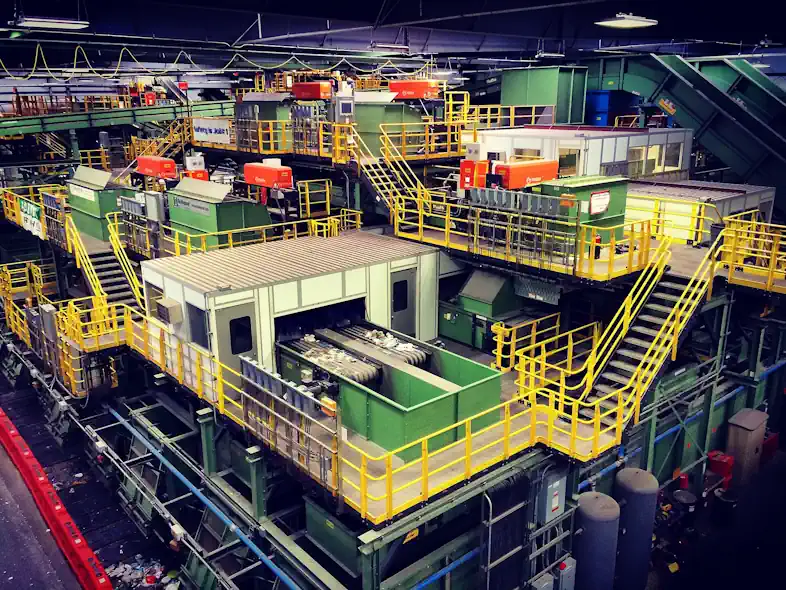
Few facilities implement automatic sorting as standalone systems – most integrate new technology with existing infrastructure. Compatibility assessment is critical before purchase, as interface challenges between equipment from different manufacturers can create costly implementation delays and operational inefficiencies.
Control system integration presents particular challenges, as older equipment may use proprietary communication protocols incompatible with modern systems. Leading manufacturers offer middleware solutions that bridge these gaps, enabling centralized monitoring and control across mixed-vendor environments. When possible, standardizing on a single control platform dramatically simplifies operations and maintenance.
Physical integration requirements include matching conveyor heights, synchronizing speeds between process stages, and ensuring adequate space for transition points. Comprehensive site surveys by manufacturer representatives should identify these requirements before equipment purchase to avoid costly modifications during installation.
Small-Scale Options for Municipal and Business Use
While industrial-scale automatic sorting systems dominate industry discussions, significant innovations are emerging in the small-scale sector. These systems offer viable automation options for smaller municipalities, campus environments, and mid-sized commercial operations generating 1-5 tons of recyclables daily.
Compact Models Under $500,000
Several manufacturers now offer scaled-down versions of their industrial sorting technology specifically designed for lower-volume applications. These systems typically process 1-3 tons per hour while maintaining sorting accuracy comparable to their larger counterparts. The BHS Mini-MRF exemplifies this approach, integrating a small-scale disc screen, optical sorter, and magnetic separator in a package requiring less than 5,000 square feet of floor space.
Compact systems typically sacrifice some operational flexibility and material versatility for cost reduction. Most focus on separating high-value commodities like PET, HDPE, and aluminum while directing remaining materials to mixed streams for secondary processing. This approach maximizes return on limited capital investment by targeting materials with established market demand, as seen in various waste sorting equipment technologies.
For organizations with space constraints, vertical sorting systems like the Machinex MACH Vertech offer innovative solutions that stack processing stages to reduce footprint by up to 40% compared to conventional linear arrangements. These systems can fit into warehouse spaces with as little as 25 feet of ceiling clearance while processing 1-2 tons per hour.
Modular Systems for Growth Flexibility
Modular design represents a key innovation for smaller operations uncertain about future growth requirements. Systems like the TOMRA AUTOSORT FLEX allow phased implementation, starting with basic mechanical separation and adding optical sorting capabilities as volumes increase or market conditions evolve. This approach minimizes initial capital requirements while preserving upgrade pathways without redundant equipment investment.
Containerized sorting systems offer another approach to scalability and deployment flexibility. These pre-integrated systems arrive in standard shipping containers ready for connection to utilities, significantly reducing installation time and site preparation requirements. While somewhat limited in processing capacity (typically 0.5-1.5 tons per hour), their rapid deployment capability makes them valuable for temporary operations or pilot programs evaluating technology before larger investments.
Rental and leasing options are increasingly available for smaller operations hesitant to commit to permanent equipment. Manufacturers including CP Manufacturing and Green Machine offer 36-60 month lease terms that include maintenance services, providing a lower-risk entry point to sorting automation while preserving capital for other investments.
Key Implementation Factors That Determine Success
Beyond equipment selection, implementation approach significantly impacts project success. Failed sorting system deployments most frequently result from inadequate planning rather than equipment limitations. Addressing key implementation factors proactively dramatically improves outcomes and accelerates time to full operational capacity.
Staff Training Requirements
Operational expertise represents the most commonly overlooked success factor in automatic sorting implementation. Even the most sophisticated equipment requires knowledgeable operators and maintenance personnel to deliver expected performance. Comprehensive training programs should include both manufacturer-provided technical training and operational best practices developed from similar installations.
Cross-training personnel across multiple equipment types creates operational resilience and improves troubleshooting capabilities. Maintenance staff should receive specialized training in optical sensor cleaning and calibration, compressed air system maintenance, and belt tracking adjustment – the three most common service points for sorting equipment.
Consider implementing certification requirements for key operational roles, particularly for staff managing optical sorting systems where improper maintenance can quickly degrade performance. Several equipment manufacturers offer certification programs that provide structured skill development and verification for operational personnel.
Common Pitfalls to Avoid When Upgrading to Automatic Sorting
Having witnessed dozens of sorting system implementations across various facility types, I've observed recurring challenges that compromise results. Understanding these common pitfalls before beginning your project can significantly improve outcomes and prevent costly mistakes.
Undersizing Your System
The most frequent error in system design involves underestimating required capacity, often resulting from relying on average throughput requirements rather than peak demands. Material flow in most recycling operations fluctuates significantly throughout the day and week, with peak periods often exceeding average volumes by 50-100%. Systems designed only for average throughput inevitably create processing backlogs during high-volume periods.
Beyond daily variations, most facilities experience volume growth over time. Systems lacking expansion capacity quickly become operational bottlenecks, forcing premature replacement or costly retrofits. Prudent design includes 25-30% excess capacity beyond current peak requirements to accommodate growth without immediate reinvestment.
Neglecting Pre-Sorting Requirements
Automatic sorting systems perform optimally when receiving properly prepared material streams. Many implementation failures stem from inadequate pre-sorting infrastructure that allows damaging contaminants to reach sensitive equipment. Critical pre-sorting functions include bag breaking, screening of fines, removal of oversized items, and extraction of potentially damaging materials like wire, textiles, and hard objects.
Overlooking Material Flow Optimization
The efficiency of automatic sorting systems depends heavily on proper material presentation to sensing equipment. Dense material layering, excessive belt speeds, or uneven distribution across conveyor width can dramatically reduce sorting effectiveness. Proper material conditioning includes density separation, material spreading, and velocity control to ensure optimal presentation to optical and mechanical separation equipment.
Conveyor transitions represent another critical flow consideration, as improper transfers can cause material mixing that compromises downstream separation. Well-designed systems minimize fall distances, employ transfer chutes rather than open drops where possible, and maintain material orientation through transition points to preserve separation achieved in previous stages. For more insights into waste management, explore how food waste separators can enhance efficiency.
Frequently Asked Questions
Through hundreds of consultations with facilities considering automatic sorting equipment, I've encountered recurring questions that highlight common concerns and misconceptions. Addressing these questions helps organizations make more informed investment decisions and set realistic expectations for system performance.
How long do automatic waste sorting machines typically last?
With proper maintenance, the structural components and power transmission elements of automatic sorting systems typically last 15-20 years before requiring major refurbishment. However, sensing technology and control systems generally require updating every 7-10 years as recognition capabilities advance and electronic components become obsolete.
Many facilities implement phased replacement strategies, maintaining mechanical infrastructure while upgrading sensing and control components to leverage technological advancements without complete system replacement. This approach optimizes capital utilization while ensuring continued performance improvement.
What's the minimum waste volume needed to justify automation?
Economic viability for automatic sorting systems typically begins around 1-2 tons per hour (approximately 2,000-4,000 tons annually) for specialized applications targeting high-value materials. For general recycling applications, volumes of 3-5 tons per hour (6,000-10,000 tons annually) typically represent the threshold where automation delivers compelling return on investment compared to manual sorting approaches.
Can these machines handle food-contaminated materials?
Modern optical sorting systems can effectively process materials with moderate food contamination (up to approximately 10-15% food content by weight). However, excessive organic contamination creates multiple operational challenges, including increased maintenance requirements, reduced optical recognition accuracy, and potential biological hazards for maintenance personnel. For more information on handling food waste, you can explore how a food waste separator works.
Facilities processing significantly contaminated streams should consider pre-washing systems that remove surface contamination before optical sorting. While adding cost and complexity, this approach dramatically improves sorting efficiency and equipment longevity when processing heavily contaminated consumer packaging materials. For more information, you can explore automatic waste sorting machines and their benefits.
How much space is required for installation of an industrial sorter?
A basic optical sorting module including infeed conveyor, sorting chamber, and output conveyors requires approximately 1,000 square feet of floor space with 20+ feet of vertical clearance. However, comprehensive systems including pre-sorting equipment, multiple sorting stages, and material handling infrastructure typically require 10,000-15,000 square feet for effective implementation in commercial applications.
What maintenance do automatic waste sorting machines require?
Daily maintenance requirements include optical sensor cleaning, compressed air system drainage, belt inspection, and basic housekeeping to remove accumulated dust and debris. Weekly maintenance typically adds belt tracking adjustment, sensor calibration verification, and wear component inspection.
Monthly and quarterly maintenance becomes more comprehensive, including pneumatic valve testing, belt splice inspection, lubrication of bearings and drive components, electrical panel thermal scanning, and calibration of weight measurement systems. Most manufacturers recommend comprehensive service visits by factory technicians every 6-12 months to perform specialized calibrations and component assessments. For more information on the latest technologies, explore household municipal solid waste sorting equipment technologies.
Proper maintenance dramatically impacts equipment performance and longevity. Facilities achieving the highest return on investment typically dedicate staff specifically to sorting equipment maintenance rather than relying on general maintenance personnel, ensuring specialized knowledge development and consistent attention to critical systems.
| Maintenance Task | Frequency | Skill Level Required | Average Time Required |
|---|---|---|---|
| Optical sensor cleaning | Daily | Basic | 15-30 minutes |
| Compressed air system drainage | Daily | Basic | 5-10 minutes |
| Belt tracking adjustment | Weekly | Intermediate | 30-60 minutes |
| Pneumatic valve testing | Monthly | Intermediate | 2-4 hours |
| Full system calibration | Quarterly | Advanced | 4-8 hours |
Implementing an automatic waste sorting system represents a transformative investment for recycling operations seeking to improve material recovery rates, reduce labor costs, and increase output quality. While requiring significant capital and operational commitment, properly selected and implemented systems deliver compelling returns through both operational savings and enhanced material values.
When evaluating options, focus on matching system capabilities to your specific waste stream characteristics rather than pursuing the most technologically advanced solution. The optimal system balances capital investment against operational benefits while providing flexibility to adapt as waste streams and market requirements evolve.
Featured Image Attribution: JelloMistress, CC BY-SA 4.0, via Wikimedia Commons

Plasma Gasification vs Anaerobic Digestion: Which Waste-to-Energy Technology Wins?
Plasma gasification and anaerobic digestion are distinct waste-to-energy technologies. Plasma gasification excels in converting mixed waste into syngas, whereas anaerobic digestion is ideal for organic waste. Each has unique benefits and challenges in the growing waste-to-energy market, but cost and scale remain factors…

How a Food Waste Separator Makes Disposing of Leftovers Easier
A food waste separator makes it easy to dispose of leftovers and scraps of food. This machine is usually equipped with an auger that pushes the waste into the separator unit itself. Various shaped paddles and rods in the separator press the food waste through screens. The separated material drops out as a slurry, with […]

A Review of the Ebook “An Introduction to Landfill Gas Extraction Systems”
Welcome to this review for the ebook “An Introduction to Landfill Gas Extraction Systems”. This ebook is a comprehensive guide for anyone involved in landfill gas extraction design, installation, operation, and maintenance, as well as landfill gas energy from waste (EfW) projects. About the Author The author, Steve Last, provides over 50 pages of essential […]

5 Top Household Municipal Solid Waste Sorting Equipment Technologies
It is important that our readers know about the 6 top household Municipal Solid Waste sorting equipment technologies as more and more waste is diverted away from landfills for recycling, and a more sustainable circular economy grows. That's because the proper management of household municipal solid waste (MSW) is crucial for both environmental and public […]